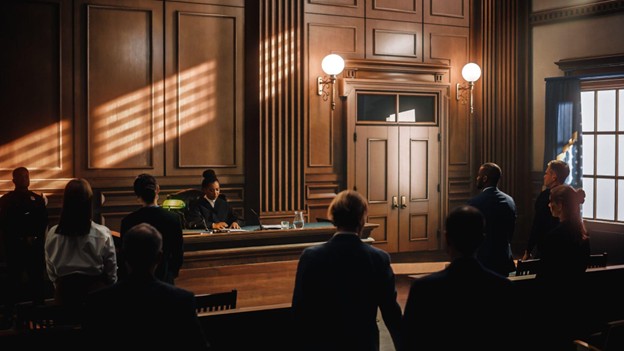
Evidence rarely speaks for itself inside a courtroom, and Travis Sayre, attorney, approaches trial advocacy with the understanding that courtroom communication often shapes how jurors interpret testimony, facts, and legal arguments because even strong evidence can be misunderstood, minimized, or viewed differently depending on how clearly and credibly it is presented during trial proceedings. Criminal litigation is not simply about introducing information into the courtroom. It is also about ensuring that information is communicated in a way that jurors can process accurately and consistently.
The effectiveness of courtroom communication can significantly influence how evidence is understood throughout a case.
Why Evidence Must Be Interpreted by People
Courtroom evidence is evaluated by jurors who bring human perception, communication preferences, emotional reactions, and cognitive biases into the decision-making process.
Jurors often assess:
- Clarity of explanations
- Credibility of witnesses
- Consistency of testimony
- Confidence of presentation
- Logical sequencing of information
Even technical evidence ultimately depends on human interpretation.
The Difference Between Presenting Evidence and Explaining It
Introducing evidence into a trial is only one part of the process. Jurors must also understand:
- Why the evidence matters
- How it connects to other facts
- Whether it appears reliable
- What conclusions can reasonably be drawn from it
Poor communication can weaken otherwise important information.
Why Clarity Often Matters More Than Complexity
Complex legal or forensic explanations may carry substantial significance, but overly technical presentations can create confusion if jurors struggle to follow the discussion.
Clear communication helps the following:
- Simplify complicated issues
- Improve retention of important facts
- Reduce misunderstandings
- Maintain juror attention
Jurors are more likely to engage with explanations they can process confidently.
How Communication Shapes Credibility
Jurors continuously evaluate the credibility of attorneys, witnesses, and expert testimony throughout a trial.
Communication factors influencing credibility may include:
- Tone and pacing
- Consistency of language
- Confidence without exaggeration
- Directness of answers
- Overall composure
Even subtle communication patterns can affect how testimony is perceived.
The Role of Narrative Structure in Trials
Jurors often organize evidence into broader narratives to make sense of complicated information. Courtroom communication plays a major role in shaping how these narratives develop.
A strong narrative structure typically includes the following:
- Clear chronology
- Logical sequencing
- Consistent themes
- Understandable motivations
Without narrative clarity, evidence may appear fragmented or disconnected.
Why Technical Evidence Requires Effective Translation
Modern criminal cases increasingly involve technical evidence such as:
- Digital communications
- Surveillance footage
- GPS and location data
- Forensic analysis
- Electronic records
Jurors may not have technical backgrounds, making effective explanation critically important.
The ability to translate technical concepts into understandable language often influences how persuasive evidence becomes.
How Witness Communication Affects Evidence Interpretation
Witness testimony can shape how jurors interpret the entire case. Jurors evaluate not only the content of testimony but also how witnesses communicate under questioning.
Factors affecting interpretation include:
- Consistency during examination
- Ability to explain details clearly
- Behavioral confidence
- Emotional control under pressure
Communication style can strengthen or weaken perceived reliability.
Why Juror Attention Is Limited
Trials often involve long proceedings, substantial documentation, and large amounts of testimony. Juror attention naturally fluctuates over time.
Effective courtroom communication helps by:
- Highlighting key information clearly
- Avoiding unnecessary complexity
- Reinforcing important themes consistently
Overly complicated presentations may reduce retention of critical details.
The Influence of Emotional Communication
Even in highly procedural legal environments, emotional interpretation still affects how evidence is processed.
Jurors may react to:
- Perceived sincerity
- Emotional authenticity
- Calmness under pressure
- Respectfulness during testimony
Communication influences both intellectual and emotional interpretation simultaneously.
Why Cross-Examination Requires Communication Discipline
Cross-examination often becomes one of the most influential parts of trial proceedings because it directly affects credibility perception.
Effective cross-examination communication may involve:
- Controlled pacing
- Focused questioning
- Strategic simplicity
- Avoiding unnecessary confrontation
Communication discipline frequently shapes how jurors evaluate conflicting testimony.
How Miscommunication Can Create Lasting Confusion
Once jurors misunderstand a piece of evidence or testimony, correcting that misunderstanding later can become difficult.
Miscommunication may lead to:
- Incorrect assumptions
- Misinterpreted timelines
- Confusion about relevance
- Distrust of subsequent explanations
This is why clarity early in trial proceedings becomes especially important.
Why Body Language and Presentation Matter
Courtroom communication extends beyond spoken words. Jurors also observe:
- Facial expressions
- Body posture
- Eye contact
- Behavioral consistency
Nonverbal communication can influence how testimony and evidence are interpreted.
The Importance of Communication Consistency
Inconsistent messaging can weaken otherwise strong arguments. Jurors often look for continuity between testimony, evidence presentation, and attorney explanations.
Consistency helps reinforce:
- Credibility
- Logical structure
- Narrative stability
- Trustworthiness
Contradictions or shifting explanations may create unnecessary doubt.
Why Trial Advocacy Involves Teaching
One overlooked aspect of courtroom communication is that trial advocacy frequently involves educating jurors about unfamiliar legal or factual subjects.
This requires the ability to:
- Simplify technical information
- Explain context clearly
- Maintain engagement throughout proceedings
- Avoid overwhelming the audience
The strongest communication strategies often prioritize understanding over complexity.
How Communication Influences Reasonable Doubt
In criminal cases, jurors must evaluate whether reasonable doubt exists based on the totality of evidence presented. Communication heavily influences how clearly uncertainty is understood.
Jurors may consider:
- Whether explanations appear logical
- Whether testimony feels consistent
- Whether conflicting information was clarified effectively
Communication affects how uncertainty itself is interpreted.
Final Thoughts
Courtroom communication can strongly influence how evidence is interpreted because jurors evaluate information through human understanding, emotional perception, and credibility assessment rather than through purely technical legal analysis. Evidence gains meaning through the way it is explained, contextualized, and presented during trial proceedings.
Strong trial advocacy, therefore, depends not only on evidence itself but also on the ability to communicate clearly, maintain credibility, organize information effectively, and help jurors interpret complex material within understandable frameworks.
Disclaimer: Results are never guaranteed.